Elon Musk dropped roughly $474 million on the 2026 midterm elections and got very little in return. Democrats flipped both chambers of Congress, Texas elected its first Democratic governor in over three decades, and voters in dozens of communities across the country chose to restrict data center development. For most political donors, that's a bad night. For Musk specifically, it could translate into direct headwinds for his AI infrastructure business.
The Texas problem
Texas governor-elect Gina Hinojosa has proposed a moratorium on new data center construction — a policy position that puts her on a direct collision course with Musk's plans. He has relocated major operations to the state, and SpaceX is actively expanding computing infrastructure at its Starbase complex in Boca Chica. Research firm SemiAnalysis has identified more than 9 gigawatts of planned or developing compute capacity tied to Musk's AI ambitions, with significant Texas exposure.
That's not a small rounding error. Nine gigawatts represents a serious buildout, and a moratorium — even a temporary one — complicates permitting timelines, financing assumptions, and the utility agreements that underpin projects at that scale. The financial incentives that made Texas attractive to data center operators in the first place could also come under review under the new administration.
Musk appeared to take the losses in stride, posting on X early Wednesday morning: "Guess my election-interfering space lasers didn't work this time." The joke acknowledged the scale of the defeat without addressing what it means for his business.
A national shift on data centers
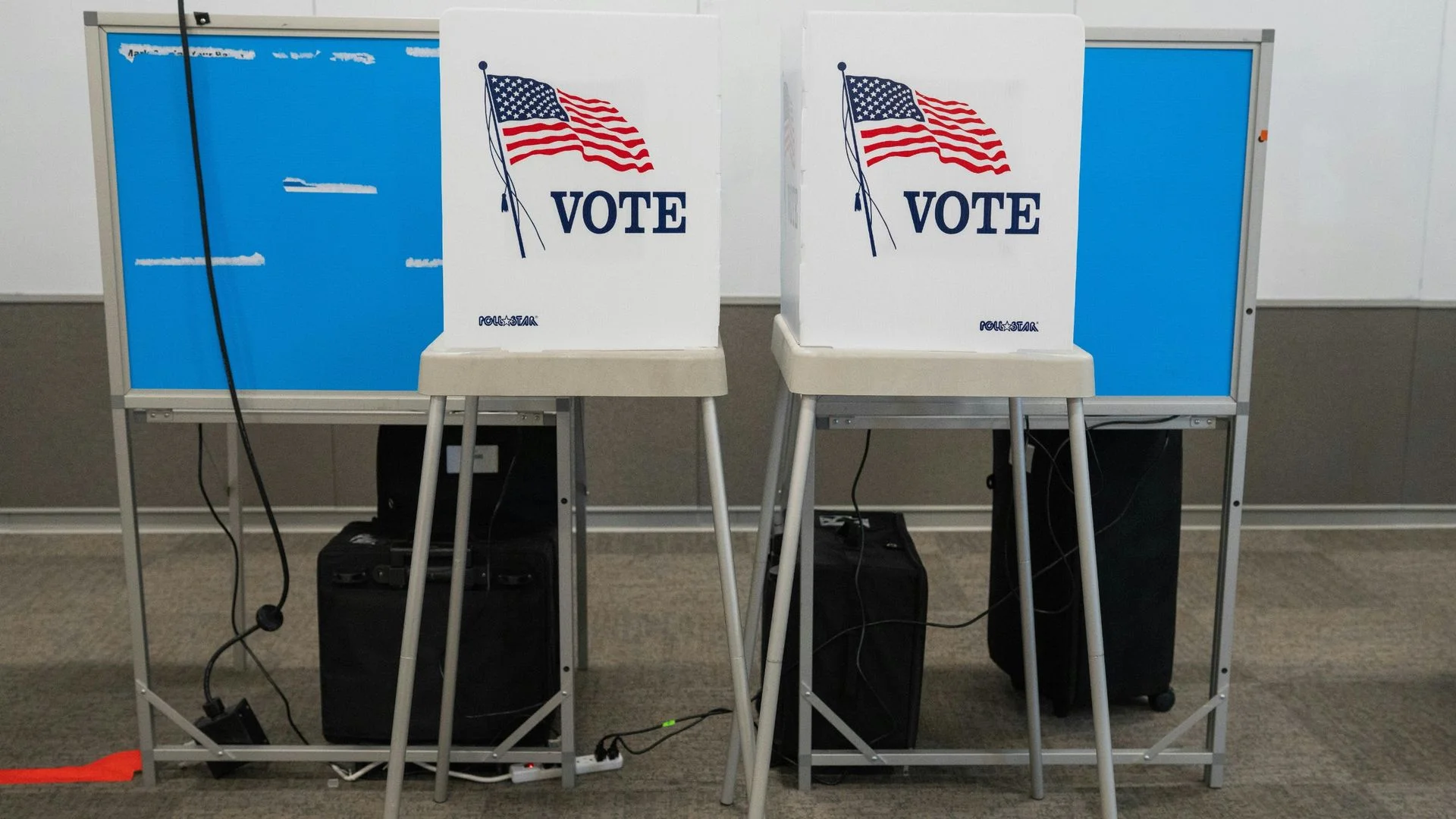
Texas isn't an isolated case. According to The Verge's November 4 election analysis, 45 local ballot measures addressed data center development. Of the 33 that had reported results by Wednesday morning, the majority favored restrictions.
The measures weren't uniform. In El Dorado, Kansas, voters approved a 10-year ban on facilities with peak electrical demand exceeding 10 megawatts. Wells, Maine passed a temporary moratorium on large-scale facilities. Other communities backed caps tied to electricity consumption or construction freezes of varying durations.
The concerns behind these votes are consistent: rising electricity rates, heavy water usage, noise, air quality, and the question of who absorbs the cost of grid upgrades needed to serve these facilities. An NBC News Election Day poll found 76% of respondents opposed having a data center in their community — a number that should get the industry's attention, whatever you think of ballot-measure politics as a policy tool.
The legal pressure already building

The election results land on top of challenges that predate Tuesday's vote. Musk's Colossus data centers near Memphis rely on natural gas turbines for power, and those turbines have drawn sustained complaints from nearby residents. On October 30, a federal judge rejected a motion to dismiss a lawsuit brought by the NAACP over turbines operating in Southaven, Mississippi. The suit alleges the turbines require air permits and expose residents to harmful pollution.
That case moves forward independent of any political outcome. But it illustrates a pattern: communities near operating facilities are finding legal and political avenues to push back, not just against proposed projects but against infrastructure already in the ground.
What this means for the AI buildout
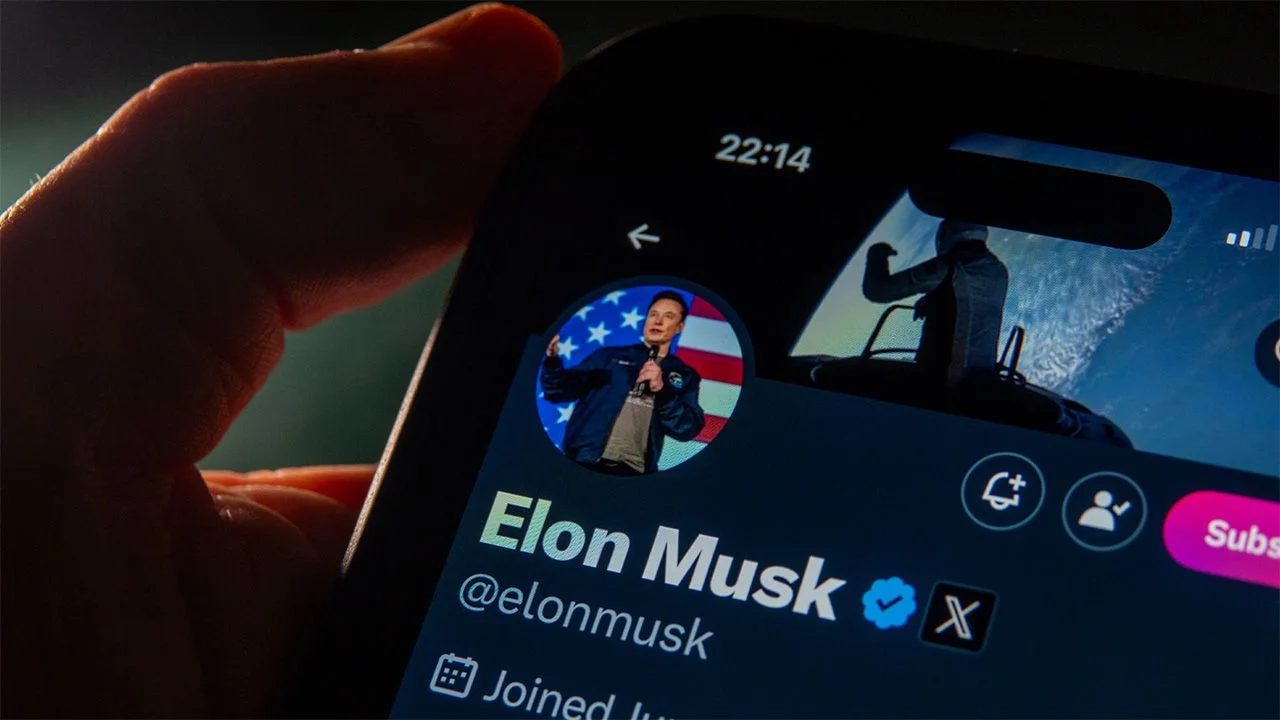
None of this stops the AI infrastructure buildout — demand for compute is real and the capital committed to it is substantial. But the operating environment for companies building that infrastructure is getting more complicated. Longer permitting processes, closer scrutiny of power and water consumption, and reduced financial incentives will raise costs and extend timelines.
For Musk, the exposure is higher than for most players given the concentration of his plans in Texas and the visibility of his existing facilities. That said, these pressures apply broadly — his competitors building large-scale AI data centers face the same community resistance and the same ballot-measure math. My read is that the industry has been moving fast enough that it assumed public acceptance would follow. Tuesday's results suggest that assumption needs revisiting.