While Sony has long since discontinued the PlayStation Vita, the beloved handheld's design legacy continues to resonate throughout the gaming hardware landscape.
Anbernic's latest offerings—the RG Vita and RG Vita Pro—represent a compelling tribute to Sony's final dedicated portable gaming system. These newly announced handheld gaming consoles deliberately echo the PS Vita's distinctive form factor, from its characteristic wide-body layout and control placement to the overall visual language that defined Sony's portable gaming vision.
However, Anbernic hasn't simply cloned the original hardware. Instead, these devices represent a contemporary reinterpretation that updates the Vita concept for today's retro gaming enthusiasts.
Technical specifications and hardware differentiation
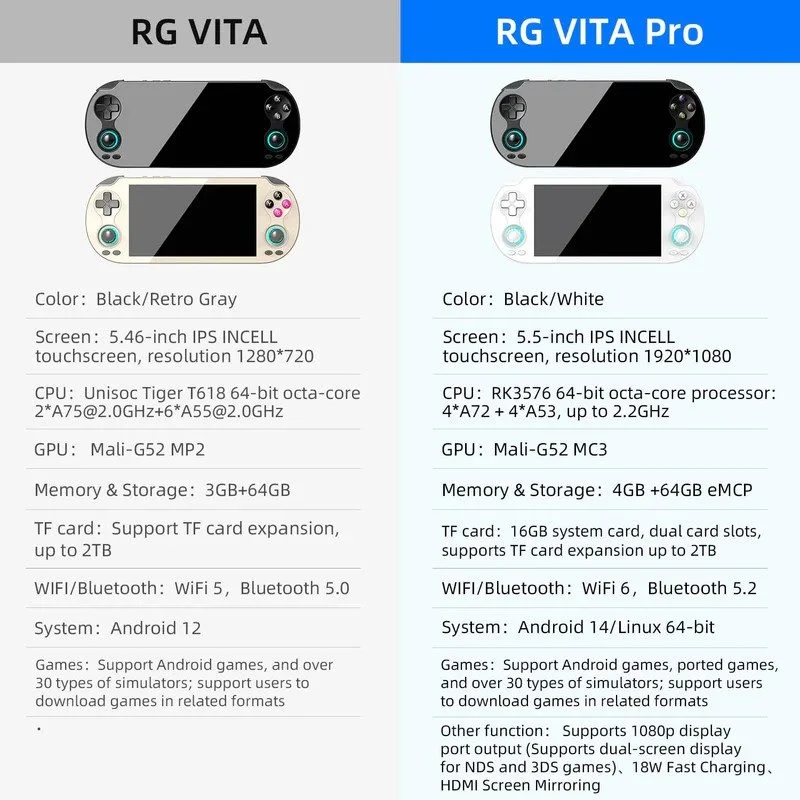
Anbernic has segmented its new product line into two distinct tiers: the entry-level RG Vita and the performance-oriented RG Vita Pro.
The base RG Vita targets budget-conscious gamers with a 5.46-inch IPS panel delivering 720p resolution. Under the hood, it utilizes a Unisoc T618 system-on-chip complemented by 3GB of RAM and 64GB of internal storage. The Pro variant elevates the experience considerably, incorporating a marginally larger display with full 1080p resolution, the more robust Rockchip RK3576 processor, 4GB of system memory, and identical microSD expandability for additional storage capacity.
Power management across both configurations relies on 5,000mAh battery cells designed to sustain extended gaming sessions.
Retro-focused architecture with modern capabilities
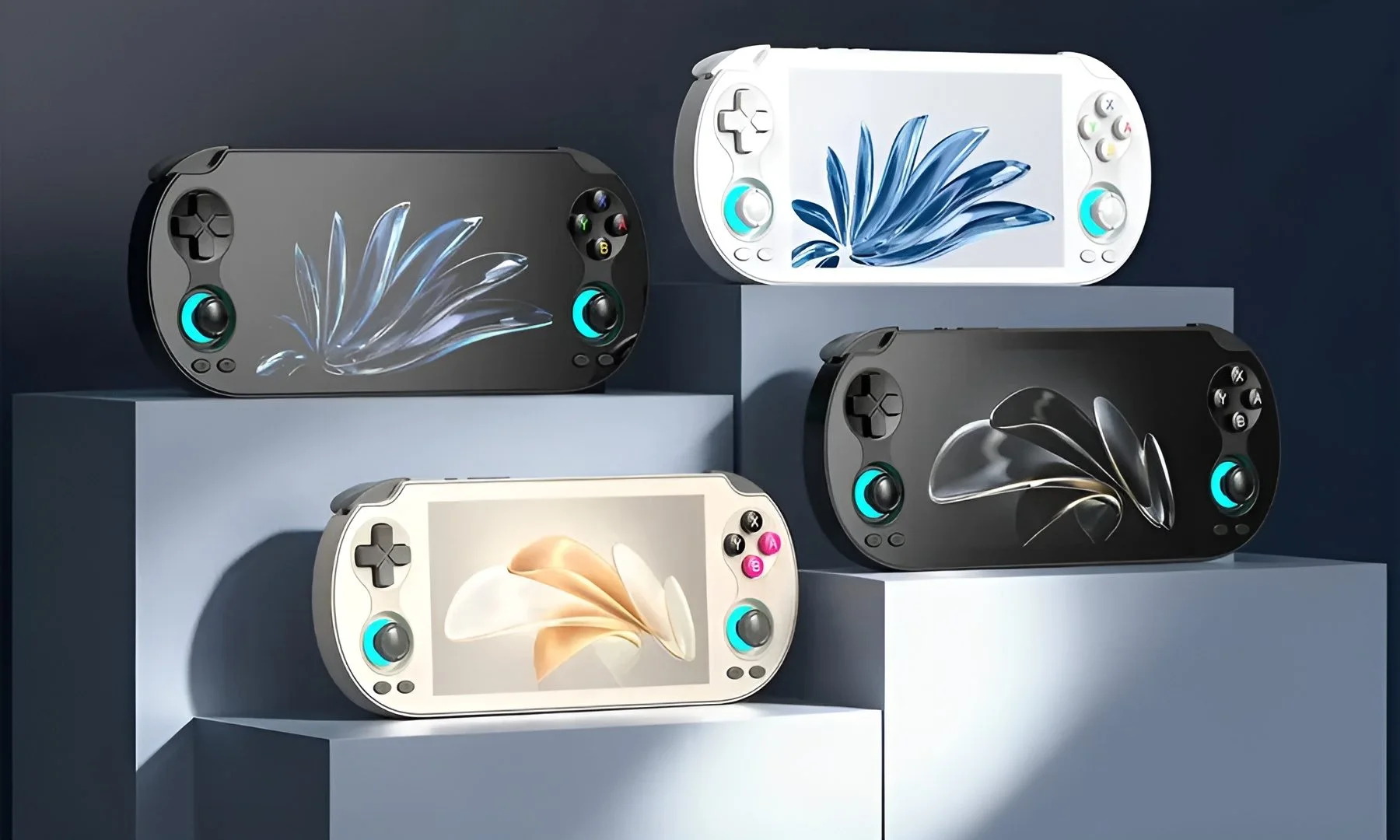
While Anbernic's RG Vita series draws aesthetic inspiration from gaming's past, its functionality extends well beyond mere nostalgia.
Both devices ship with Android support (with Linux compatibility exclusive to the Pro model), enabling native Android gaming alongside emulation of classic platforms including PS2, PSP, GameCube, and additional retro systems. This software flexibility significantly expands the devices' utility beyond their spiritual predecessor's capabilities. Contemporary connectivity features—including WiFi, Bluetooth, and USB-C video output—further distinguish these handhelds from the original Vita, while AI-powered functionality such as real-time translation and gameplay assistance tools demonstrate Anbernic's forward-looking approach.
It's important to note that these devices occupy a different performance tier than the original PS Vita. The hardware specifications prioritize emulation workloads and lightweight Android titles rather than contemporary AAA gaming experiences.
While Anbernic hasn't disclosed official pricing details, industry observers anticipate positioning within the budget-to-midrange segment of the handheld gaming market.